
Ignite Passion
My mentor steven reiss
The father of "The Science of Motivation"
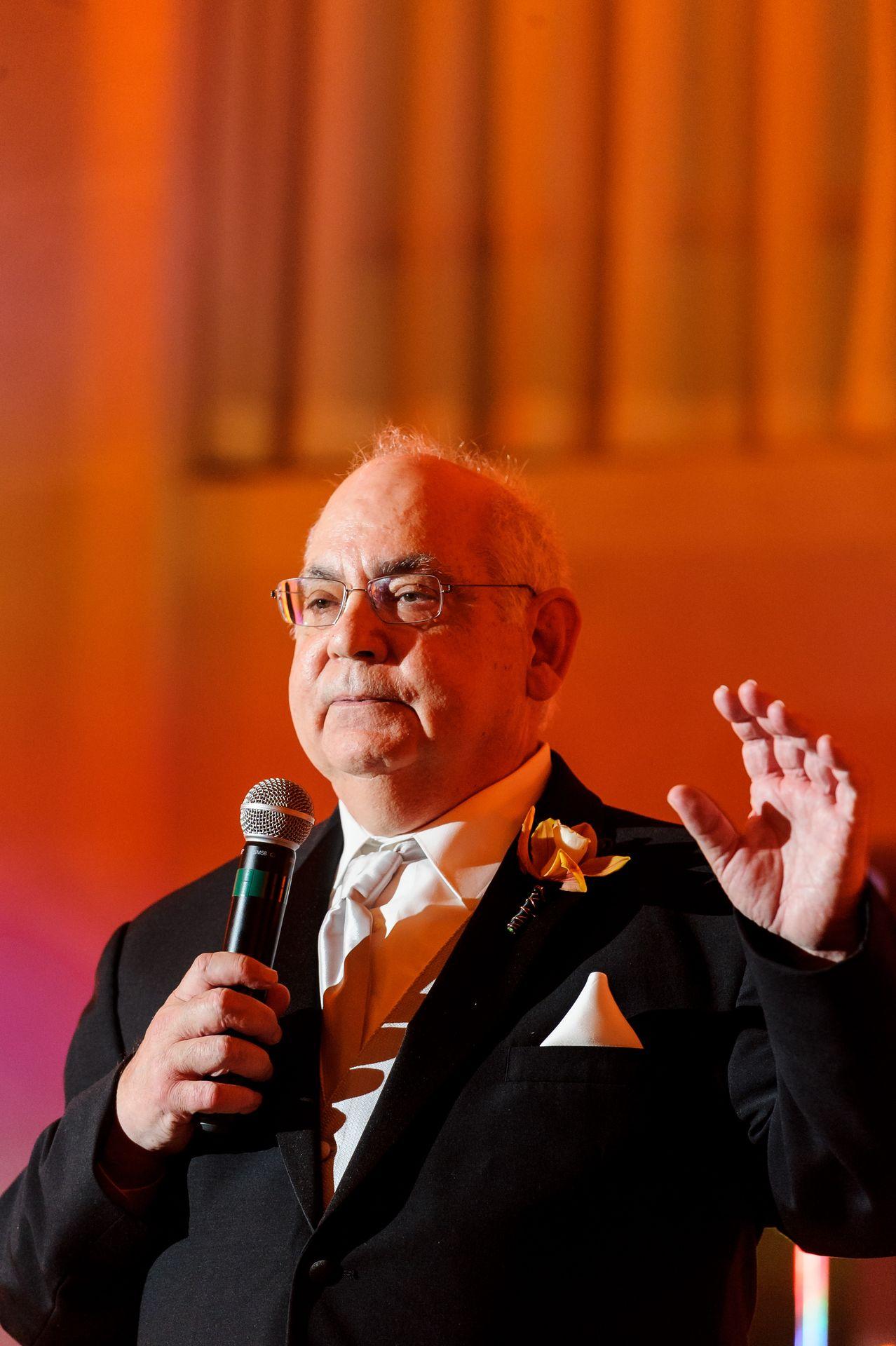
Steven Reiss shaped my career. Over years of mentorship, trust grew — not only in my abilities, but in the network I built under his influence.
His book, The Science of Motivation, found readers across several European countries. Ideas that travel that far are usually ideas worth working with for the rest of one's life.
Steven's associates carried his philosophy forward. They wove motivation into their consulting, their teaching, their writing. One person's insight rippled into many lives. Mentorship, when it lands, is not a transaction. It is a transfer.
I pass Steven's legacy to my son, Daniele. With that transfer, I move from mentee to creator.
Writing is my medium now. Especially on LinkedIn. The ambition is small and specific: keep alive what Steven called the science of motivation, and offer it in everyday language — what I call Motivational Intelligence in practice. Rigorous thinking, open form, readers invited to engage with ideas that change something.
I see this work as an invitation — a space for reflection. Just as Steven once did for me.
— Brunello | Motivational Intelligence Advocate
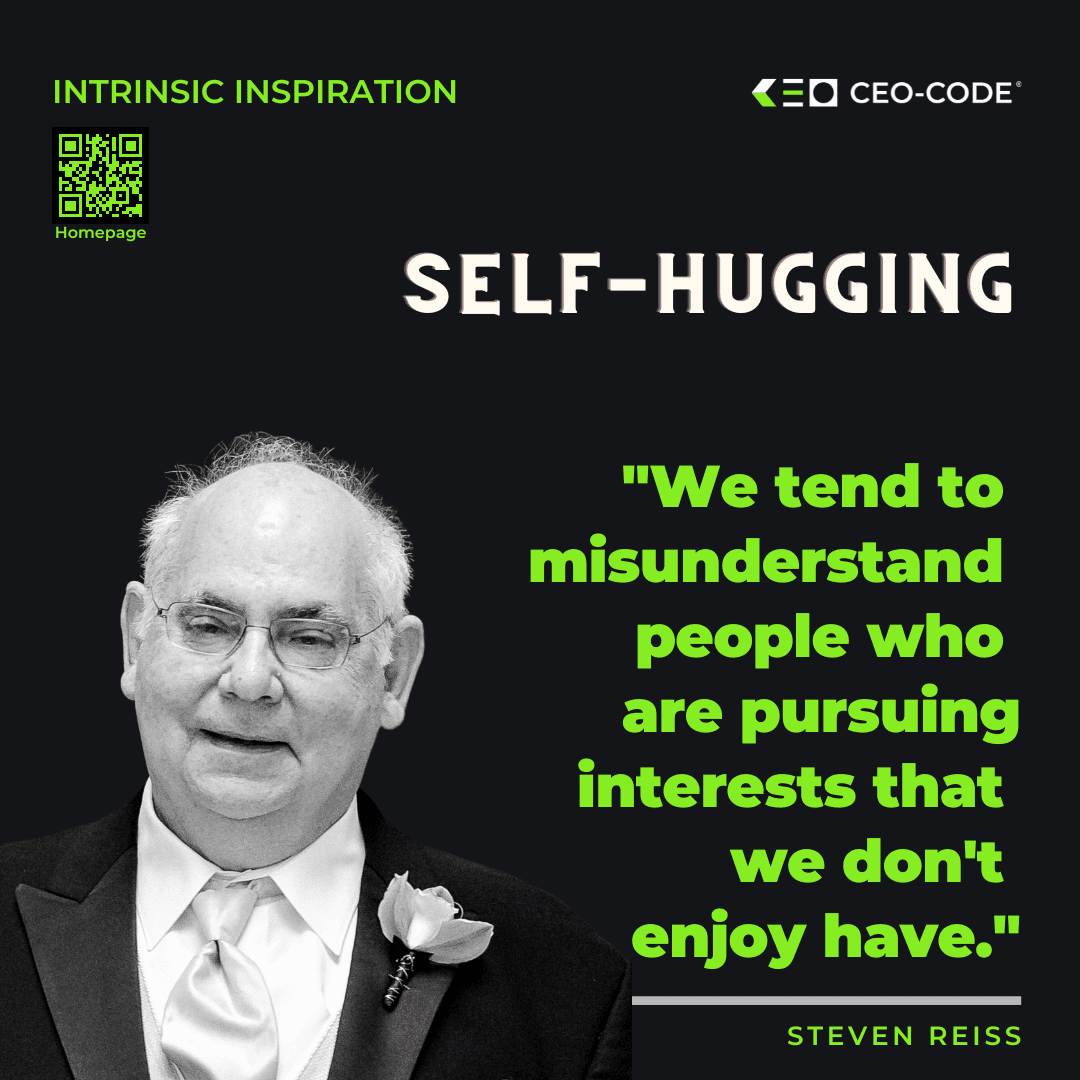
Steven Reiss: A Legacy of Innovation and UnderstandingSteven Reiss — A Legacy of Innovation and Understanding
Few figures in psychology shaped how we understand motivation as deeply as Steven Reiss. His work asks one question: what actually drives behavior? Not the surface explanation. The motive underneath.
For decades, he studied that question with rigour. What he found changed how I, and many others, work with people.
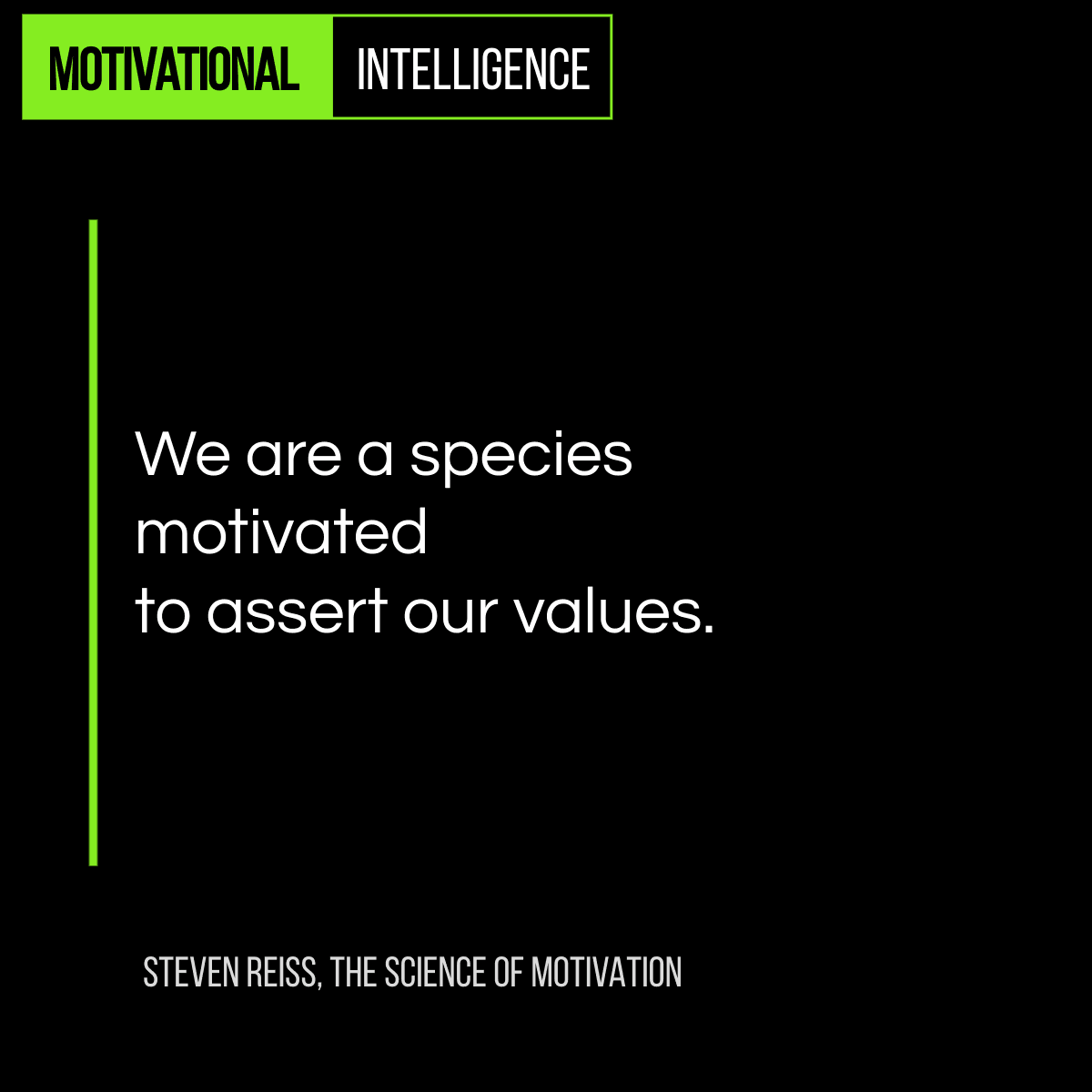
„We are a species motivated to assert our values." — Steven Reiss
This one sentence carries the whole shift Reiss made in motivation science.
Most theories before him explained behavior as a search for something — pleasure, safety, recognition, meaning. Reiss read the evidence differently. We are not searching. We are asserting. We come into the world already valuing certain things, and we spend our lives expressing those values into the world.
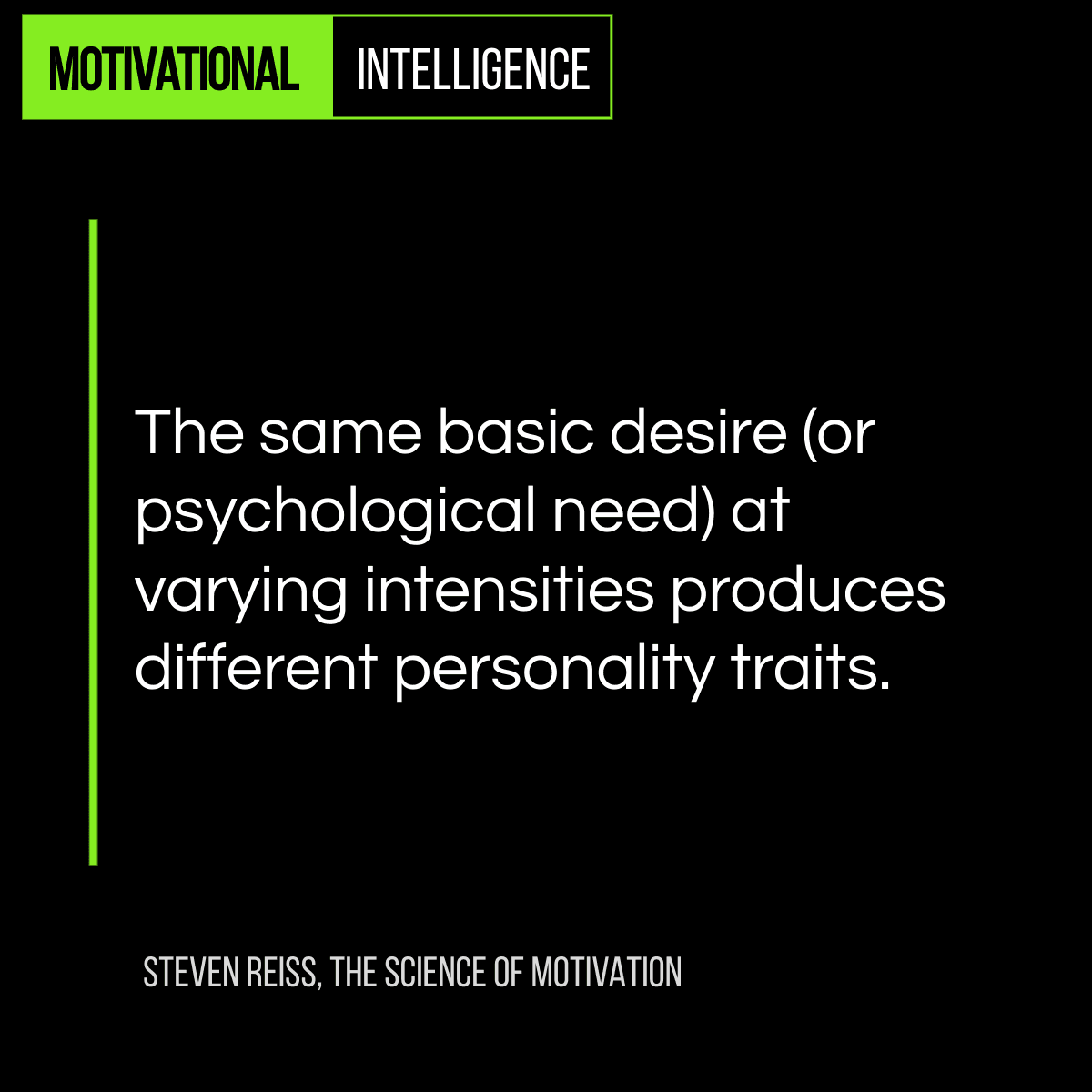
The sixteen life motives are the sources of these values. Their intensity differs across people. What each of us asserts is therefore deeply personal — even though the architecture is universal.
A person with a strong need for Power — „I value competence, productivity, and excellence." — asserts that value through long hours, demanding standards, the steady pursuit of mastery. The behavior we call workaholism is, from the inside, a value being lived.
A person with a weak need for Social Contact — „I value privacy and solitude." — asserts that value by protecting space for deep focus and minimising small talk. We label them a loner. They are simply asserting what they value.
A person with a strong need for Honor — „I value personal character, moral codes, and ethical principles." — asserts that value by insisting on transparent rules, consistent standards, and the courage to name what is not right.
None of these are deviations. They are values being expressed.
This reframes what happens when work fails us. Burnout is rarely about volume. It is about values being chronically violated. When our motive architecture is asserted, we flourish. When it is denied, we collapse — quietly at first, structurally later.
For leaders, the implication is direct: do not ask „how do I motivate them?" Ask „which values is this person trying to assert — and does the role let them?"
That question changes everything.
The 16 Life Motives — The Reiss Motivation Profile®
Reiss identified sixteen life motives — universal across all people, but uniquely intense in each individual. Everyone carries all sixteen. What differs is the strength of each.
What looks like a personality type is in fact a consistent strategy for satisfying the strongest and weakest of these motives. Not a trait. A pattern of motivational fit.
The Reiss Motivation Profile® makes that pattern visible. Validated across more than 80,000 respondents in the United States, Asia, and Europe — the broadest empirical base in motivation research to date.
The Normal Personality
In The Normal Personality — A New Way of Thinking About People, Reiss made a radical shift. Behaviors we label abnormal are often unmet needs from one of the sixteen motives.
The disorderly colleague is not a chaos generator. They may have a weak need for Order — and the core value of that motive is: „I value flexibility and spontaneity."
The book's central question is the one I carry into my own work: what if individuality is not deviation from a norm, but evidence that the motive system is healthy and working?
— Brunello | Motivational Intelligence Advocate
Steven's Legacy
Steven Reiss lived with a serious autoimmune illness for much of his adult life. That experience shaped him — not only personally, but in the questions he was willing to ask.
One of those questions had practical consequences. For years, people with intellectual disabilities were denied access to organ transplants in many parts of the United States. The reasoning was that they would not benefit from extended life. Reiss challenged that reasoning openly. He argued — with the same sixteen life motives at the centre — that a person with an intellectual disability has the same fundamental desires as anyone else: for power, for relationships, for autonomy, for safety. The same architecture of values. The same human dignity.
His advocacy contributed to changing the practice. Today, an intellectual disability is no longer automatic grounds for denying a transplant in most jurisdictions.
This work flowed directly from his motivation research. If the sixteen life motives are universal — if every person carries them — then no one's life can be ranked as less worth saving on the basis of cognitive capacity.
Reiss did not separate his science from his ethics. The same empirical work that produced the Reiss Motivation Profile® also produced a moral argument for human worth.
That is the legacy I am drawing from when I write today.

— Brunello | Motivational Intelligence Advocate
We uses cookies